
Introduction: Architecture in 2026
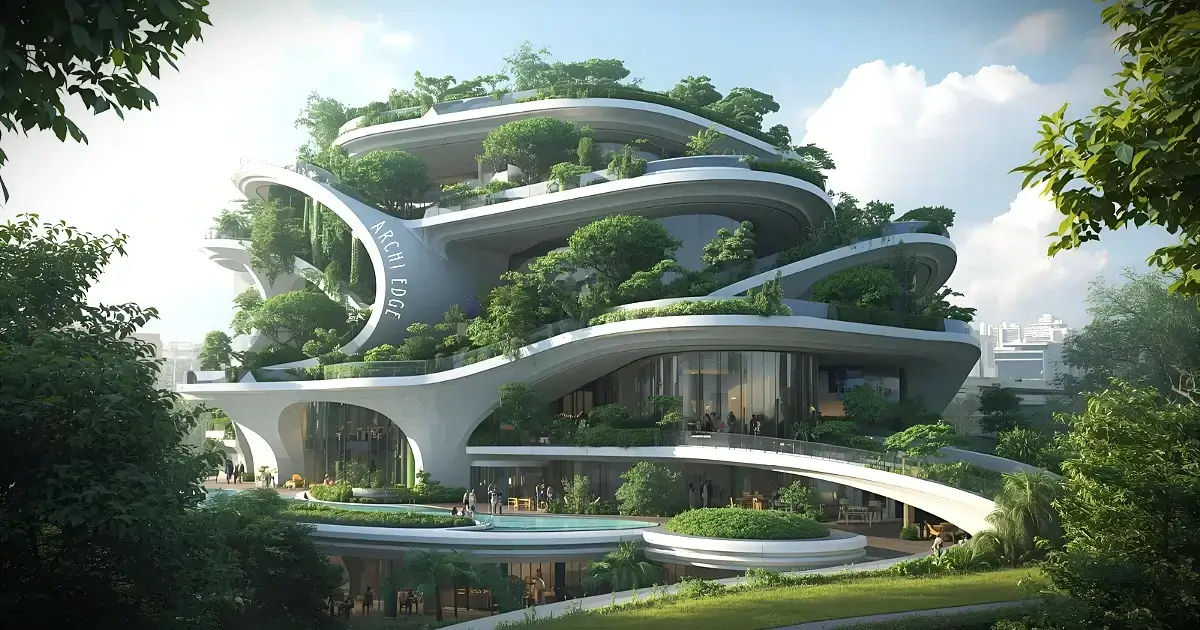
Traditionally, architecture was understood through the correspondence of form, function, and aesthetics. But in 2026, that term has transformed. Architecture is now an interconnected ecosystem of ideas – one that smoothly blends people, technology, and nature to create spaces that inspire, adapt, and sustain life.
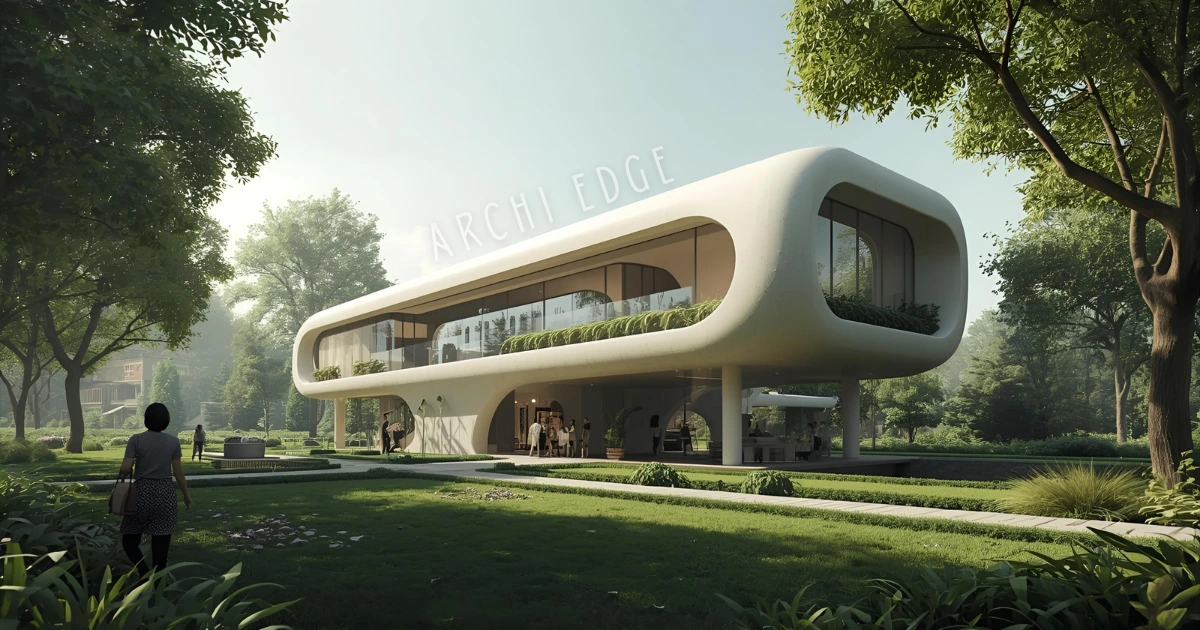
As we approach 2026, architecture is undergoing one of its most transformative phases yet. It’s no longer limited to constructing spaces; it’s about designing intelligent, sustainable, and emotionally resonant environments that enhance human life.
Today’s architects merge art, science, and empathy – using data-driven insights, advanced materials, and eco-friendly innovation to create buildings that think, feel, and respond. The boundaries between design, technology, and sustainability are dissolving, giving rise to a new design philosophy focused on human experience and environmental harmony.
Let’s uncover what architecture truly represents in 2026 – and how forward-thinking innovations are redefining the way we live, build, and connect with our spaces.
Architecture as a Living System
Buildings are evolving into responsive organisms that adapt to their users and environment. Walls can change transparency, lighting adjusts automatically, and indoor air quality is monitored in real-time.
Architecture today is not static – it’s dynamic, data-driven, and deeply human-centered.
From Design to Experience
The essence of architecture has moved beyond appearance – it’s no longer just about how a space looks, but how it makes people feel. In 2026, architects are designing environments that nurture emotion, well-being, and creativity.
From co-living residences to modern workplaces and vibrant public parks, every space is thoughtfully crafted to build connection rather than mere construction. Architecture today aims to uplift the human spirit, creating places where people can truly belong, collaborate, and thrive.
The Technological Revolution in Architecture
Technology is the heartbeat of modern architecture. From concept to construction, digital tools are transforming every step of the design process.
AI-Powered Design Tools
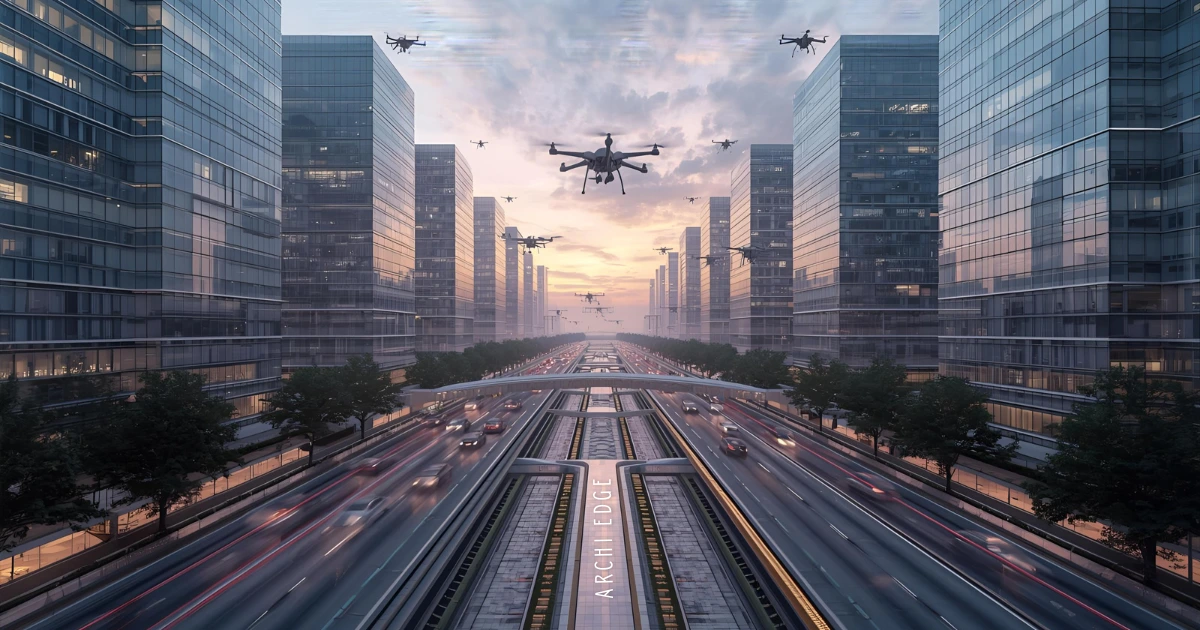
Artificial Intelligence has become a true partner in the architectural design process. Tools such as Autodesk Forma, Spacemaker AI, and Midjourney now assist architects by generating data-driven design possibilities that respond to climate conditions, energy performance, and visual harmony.
With AI, professionals can evaluate thousands of design scenarios in a matter of seconds, allowing them to refine projects for cost efficiency, sustainability, and human well-being. Rather than replacing creativity, AI enhances it – giving architects the power to make smarter, faster, and more sustainable design decisions.
Parametric and Generative Design
Generative design empowers architects to input key parameters such as sunlight exposure, wind flow, and material costs, allowing intelligent algorithms to explore and suggest the most efficient design solutions.
This data-informed process enables architects to make evidence-based decisions, ensuring that every project achieves the right balance between aesthetic appeal, structural performance, and environmental responsibility.
Read Latest News in Architecture
Virtual Reality (VR) and Augmented Reality (AR)
Clients no longer have to imagine a space from blueprints – they can walk through their future homes and offices using immersive virtual reality (VR) headsets. With augmented reality (AR), digital elements blend seamlessly into real-world environments, allowing architects and clients to preview materials, lighting, and furniture in real time. These tools not only enhance collaboration but also reduce costly construction errors.
3D Printing and Modular Construction
3D printing is transforming the way we build. By 2026, entire homes can be 3D-printed in less than a week, dramatically reducing waste and labor costs. At the same time, modular architecture – where prefabricated units are built off-site and assembled on-site, offers new levels of speed, flexibility, and sustainability.
Sustainability: The Core of Modern Architecture
Sustainability is no longer a design option; it has become a moral and professional responsibility.
Net-Zero and Carbon-Negative Buildings
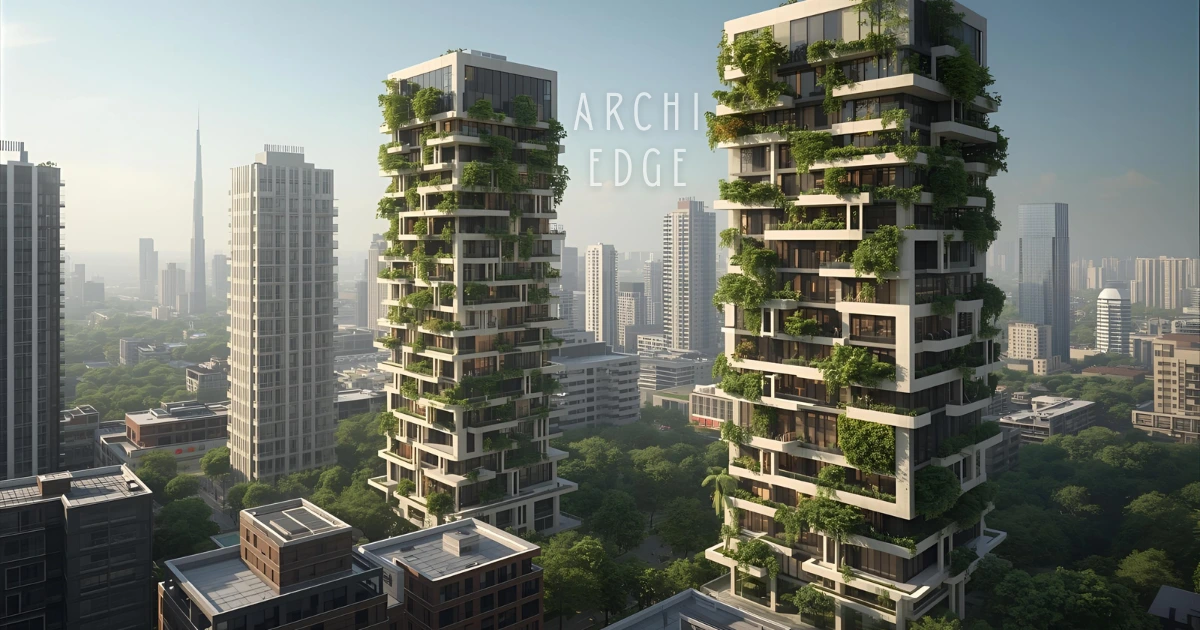
Architects today focus on creating climate-resilient, carbon-neutral, and regenerative structures. Many firms are embracing net-zero buildings, which produce as much energy as they consume. Some go even further, designing carbon-negative buildings that remove more CO₂ than they emit.
Circular Construction and Reuse
The shift toward a circular economy is also redefining construction. Materials are being reused, recycled, and repurposed, while adaptive reuse projects — such as converting old factories into museums or cultural spaces are flourishing worldwide.
Green Roofs and Vertical Forests
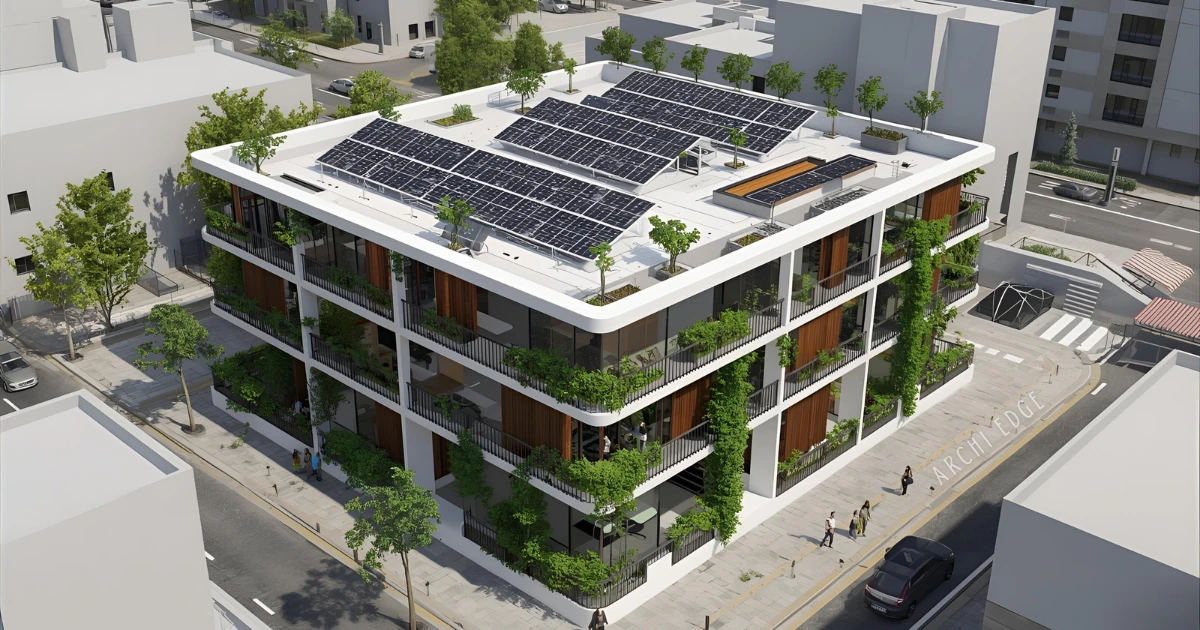
Architects are turning gray urban landscapes into living ecosystems. Buildings now feature green roofs, vertical gardens, and urban forests, helping to improve biodiversity and lower urban temperatures.
Smart Energy Systems
With the help of renewable energy technologies such as solar panels, wind turbines, and geothermal systems, structures can generate their own power. Smart grids ensure this energy is distributed efficiently, reducing dependence on fossil fuels.
Top Architecture Design Trends for 2026 and Beyond
1. Smart Cities and Digital Twins
Cities are evolving into intelligent ecosystems powered by real-time data. Through digital twins, virtual replicas of real cities, planners can model traffic flow, air quality, and energy use to design smarter and more sustainable urban environments.
2. Biophilic Design
Inspired by nature, biophilic design connects people with the natural world. Architects now incorporate natural materials, water features, and abundant sunlight to enhance well-being and productivity.
3. Human-Centered Urban Design
Future urban planning emphasizes walkability, inclusivity, and accessibility, creating communities that nurture mental health and human connection.
4. Adaptive Reuse and Regenerative Architecture
Preserving and repurposing existing buildings has become an essential sustainability practice. Restoring heritage structures not only saves energy but also preserves cultural identity and gives cities a renewed sense of purpose. Regenerative design goes even further, creating architecture that actively heals ecosystems and improves its surroundings.
5. Minimalism with Soul
The minimalist trend of 2026 feels warmer and more human. This “warm minimalism” focuses on simplicity with purpose, balancing function and emotion to create serene, meaningful spaces that inspire comfort and focus.
Innovations That Are Transforming Architecture
Smart Materials
Breakthrough materials are redefining the future of construction:
- Self-healing concrete that repairs its own cracks using bacteria.
- Solar glass windows that generate clean energy while letting in natural light.
- Phase-changing materials that regulate temperature naturally.
These innovations make buildings stronger, more efficient, and more sustainable.
Robotic Construction
Robots now perform repetitive construction tasks, improving accuracy and reducing timelines. Drone surveying has become standard on job sites, providing real-time data and enhanced precision.
Data-Driven Design
Architects increasingly use big data to study how people interact with spaces and how environments respond over time. This feedback loop helps them design adaptive buildings that evolve with their users’ needs.
The Human Side of Architecture
Amid all the technology, one timeless truth remains: architecture is about people. Every design aims to improve the quality of life, physically, mentally, and emotionally. Modern architects prioritize:
- Mental well-being through light, color, and spatial balance.
- Social connection through shared spaces and community-driven layouts.
- Accessibility for people of all ages and abilities.
In 2026 and beyond, success in architecture depends on balancing functionality with empathy.
Challenges and Opportunities Ahead
The profession still faces global challenges from climate change and urban overpopulation to resource scarcity and housing affordability. Yet, within these challenges lie extraordinary opportunities to design smarter, greener, and more inclusive environments.
The architects of tomorrow will need to think like scientists, environmentalists, and storytellers blending creativity with responsibility.
Predictions for the Future of Architecture (2030 and Beyond)
- AI-assisted design and robotic construction.
- Sustainable, low-carbon materials as the industry standard.
- Space architecture for lunar and Martian habitats.
- Metaverse architecture, shaping immersive digital environments.
- Intelligent buildings that adjust lighting, air flow, and energy in real time.
The future architect will be part artist, part coder, and part environmental visionary.
Conclusion: Building a Smarter, Greener, and More Human Future
Architecture in 2026 stands at the crossroads of innovation, sustainability, and emotion. It’s no longer just about creating beautiful structures, it’s about designing a better way of life.
Every blueprint carries a deeper purpose: to protect the planet, inspire creativity, and connect humanity. As technology evolves, so does imagination, and as architects merge artificial intelligence with human empathy, we move closer to a world where our cities breathe, our homes think, and our spaces truly care for us.
Stay inspired with Archi Edge, where design meets innovation and the future of architecture begins.
Frequently Asked Questions
What defines modern architecture in 2026?
Modern architecture in 2026 combines sustainability, smart technology, and human-centered design, creating efficient, adaptable, and emotionally engaging spaces.
How is AI used in architecture?
AI helps architects automate design, analyze energy performance, generate 3D models, and optimize building layouts based on environmental data.
What are the top architecture trends for the future?
Key trends include biophilic design, smart cities, adaptive reuse, AI-driven workflows, and carbon-neutral construction.
Why is sustainability crucial in modern architecture?
Sustainability reduces environmental impact, saves resources, and ensures long-term resilience against climate challenges.
How will architecture evolve by 2030?
By 2030, architecture will be more digital, sustainable, and interactive, integrating AI, robotics, and renewable materials at every level.

